Free Instant wins Closes today
Closes Sun 22 Nov, 20:00 Free to enter £50 Free Instant Win
- 58 instant prizes, top prize £50
- One entry per person
- Closes Sun 22 Nov, 8pm
A cash prize draw is only as reliable as what you can check for yourself, so check five things before you enter: a published ticket cap, a free postal entry route with the same odds as a paid ticket, a fixed draw date that goes ahead whether or not it sells out, a result anyone can recompute from published data, and a named UK company behind it. Each paid cash draw listed below publishes all five. The ticket cap and closing time are on the draw's own page, a postal entry goes into the same draw on the same odds, the draw runs automatically at 9pm on its closing date sold out or not, and you can recompute any result from the published commitment, the revealed seed and the public drand beacon. The company behind Grand Draws is named at the foot of this page, so you can look it up on the Companies House register. 18+, Great Britain residents only.
Open now: our free £500 monthly draw, 30 October to 30 November 2026. No purchase, one entry per person, entries until 8pm and drawn 9pm Monday 30 November.
A UK cash prize draw is a competition for a money prize, kept outside the legal definition of a lottery by a genuine skill test or a free entry route of equal standing. You enter by paying a published ticket price or by posting a free entry on identical odds, the number of tickets is normally capped so you can work out your chance before you enter, and on the published closing date one winner is drawn at random and paid in cash. At Grand Draws that means tax-free cash by bank transfer, a published ticket cap and per-person limit on every draw, and a result anyone can recompute. 18+, Great Britain residents only.
A cash prize draw is a prize competition where the prize is money. Nothing is shipped, nothing has to be insured or sold on, and there is no valuation to argue about: the winner is paid an amount that was published before they entered. That is the whole of the product, and it is why the rest of the detail, the ticket cap, the free route and the draw method, is where the differences between operators live.
The word "draw" does a lot of work in this market, so it is worth separating three things that are often used interchangeably:
Under the Gambling Act 2005 an arrangement is a lottery only if it meets the definition in section 14: payment to participate, with prizes allocated by a process relying wholly on chance. Two things can stop that being true. A skill, knowledge or judgement test that can reasonably be expected to prevent a significant proportion of people from entering, or from winning, takes it outside the definition (section 14(5)). So does a free entry route of equal standing: a choice of entering by a letter sent by ordinary post, or another way that is no dearer and no less convenient than paying, publicised so that people are likely to see it, with prizes allocated no differently for free entrants (Schedule 2, paragraph 8). A competition that is not a lottery, betting or gaming is not gambling under the Act (section 339), and such competitions sit outside the Act's regulation, so no Gambling Commission licence applies to them. The Advertising Standards Authority still polices how they are promoted.
Please note. This is general information about the Gambling Act 2005, which applies in England, Wales and Scotland. Northern Ireland has separate legislation. It is not legal advice. Read the full comparison.
Every paid competition opens with a genuine question you have to get right. A wrong answer disqualifies the entry, whether it was paid for or posted in free. It is not decoration: it is one of the two things that can keep a paid draw outside the legal definition of a lottery.
You can buy tickets at the published price, or post a free entry instead. A valid postal entry counts as one ticket, goes into the same draw and has exactly the same chance of winning. No purchase necessary, and the only cost is the stamp.
The draw runs automatically at 9pm on the published closing date. Winners are selected at random from all qualifying entries, in accordance with the laws of chance, using a verifiable random draw. Cash is paid by bank transfer within one working day of verifying the winner.
Entry is limited to residents of Great Britain aged 18 or over, and every competition carries a published maximum number of entries per person. See the free postal route, or read the longer walkthrough.
Ten things you can check for yourself in a couple of minutes, on any site. None of them need you to take the operator's word for anything.
Without a maximum number of tickets, your odds are unknowable, because the operator can keep selling. A published cap turns odds into arithmetic you can do before you pay.
A per-person cap stops one entrant buying a draw, and it stops anyone spending without limit. Look for the figure on the competition itself, not buried in the terms.
Where a paid draw relies on a free entry route to stay outside lottery law, that route has to be genuinely publicised and no less convenient than paying. If you have to hunt for it, that is worth noticing.
Ask whether the draw still runs, on the same date, for the full advertised prize. A draw that can be postponed, shrunk or cancelled on low sales is a different proposition from one that cannot.
A result you can recompute yourself is stronger than a result you are told about. Look for a method published in advance and a way to verify a past draw.
A UK company has to show its registered name, company number and registered office. If you cannot find a company behind the site, you have nobody to hold to anything.
A standing public record of past draws, with the winning ticket number against each one, costs an honest operator nothing to publish and builds up into something you can check back through.
A named process with response times, rather than a contact form and hope. Prize competitions sit outside Gambling Commission regulation, so the operator is the first and main port of call.
The ability to cap your own spending, take a break or close the account is a basic protection. If none of that exists, the only limit is your own willpower.
Entry fees can carry VAT, so the thing to check is whether the price on the page is the price you pay. A price quoted inclusive of VAT, with nothing added at checkout, leaves nothing to work out at the last step.
Grand Draws is a trading name of HDCH Limited, registered in England and Wales, company number 16237398, registered office Ironmaster House, Shrewsbury, Shropshire, SY1 1XF. Our fairness and player protection commitments are set out on our standards page, past results on the results page, and the route to raise something with us on the complaints page.
The whole ladder, as published. Odds are the worst case for the smallest order you can place, 25 tickets: they assume every ticket sells, so an under-sold draw only ever makes your real chance better, and more tickets improve it in proportion.
Prices are the full price you pay, including any VAT. Prizes are cash, paid by bank transfer, and we aim to pay within one working day of verifying the winner. A UK prize is treated as a windfall rather than income, so nothing is deducted. Winners are published as a first name, a county and the winning ticket number. We do not run instant wins yet: every prize is currently decided by the draw on the closing date.
A sample of the board, so you can see the shape of a real draw. Each card shows the ticket cap, the odds one ticket buys and the free postal route.
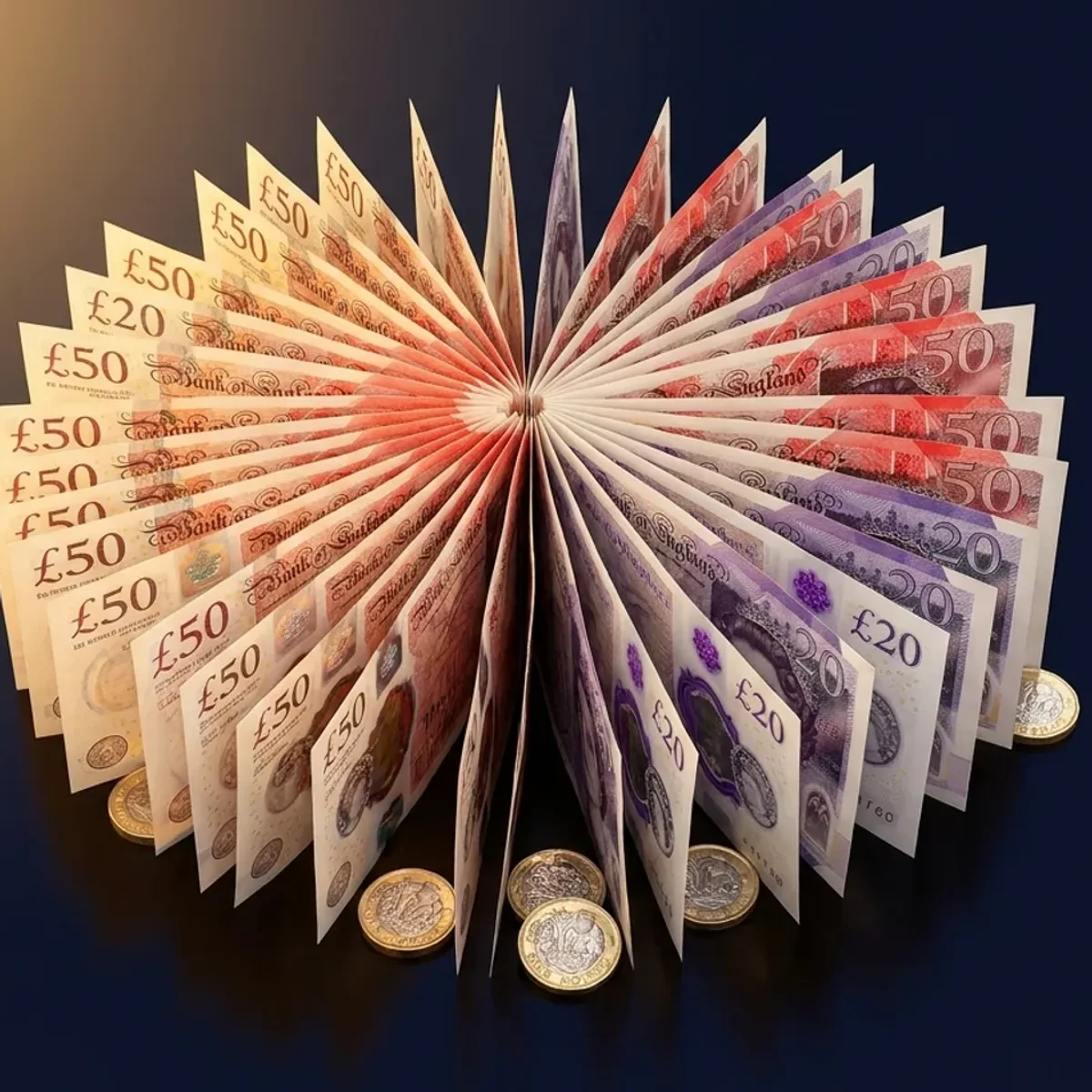
Check five things before you pay: a published ticket cap, a free postal entry route with the same odds as a paid ticket, a fixed draw date that goes ahead whether or not it sells out, a result anyone can recompute from published data, and a named UK company you can look up on the Companies House register. Each paid cash draw listed on this page publishes all five, with its prize, ticket price, ticket cap and closing time shown at the top.
It is a competition where the prize is money rather than goods, entered either by paying a published ticket price or by a free entry route of equal standing, with a winner drawn at random from all qualifying entries on a published closing date. The number of tickets is normally capped, which is what makes the odds knowable before you enter.
No. A raffle is a lottery in the legal sense: you pay, and chance alone decides. A prize competition is built so that is not true, by adding a genuine skill test or a free entry route of equal standing, which takes it outside the lottery definition in the Gambling Act 2005. Same feeling to an entrant, different legal footing.
Where the competition relies on a free route to stay outside lottery law, yes. At Grand Draws every paid competition can be entered free by post. The postal entry answers the same skill question, counts as one ticket, goes into the same draw and carries exactly the same chance of winning.
Ours still runs. Every draw goes ahead at 9pm on its published closing date, sold out or not, with the full advertised prize. We do not cancel a draw, move its date or reduce a prize because of low sales, and there is no minimum number of entries and no rollover.
Because you can recompute it. We publish a locked commitment before a competition closes and reveal the seed afterwards, combined with the drand public randomness beacon, so anyone can reproduce the same result from public information. Draws run automatically and are not live-streamed. You can check any past draw on our draw check page.
Our paid cash competitions, each with its price, ticket cap and a free postal entry route on the same odds. When this page was last updated, 4 paid cash draws were open, with prizes from £500 to £1,000. We also run a free £500 monthly draw (30 October to 30 November 2026, entries until 8pm and drawn at 9pm on Monday 30 November), with no purchase and one entry per person.
Published ticket caps, a draw anyone can recompute, and a free postal route on every competition. 18+.
Every competition has published odds, a draw anyone can verify and a free postal route. 18+.